
baize

Baize AI Notes

Notes

Notes on putting AI to work in real teams. Filter by topic. 145 notes.

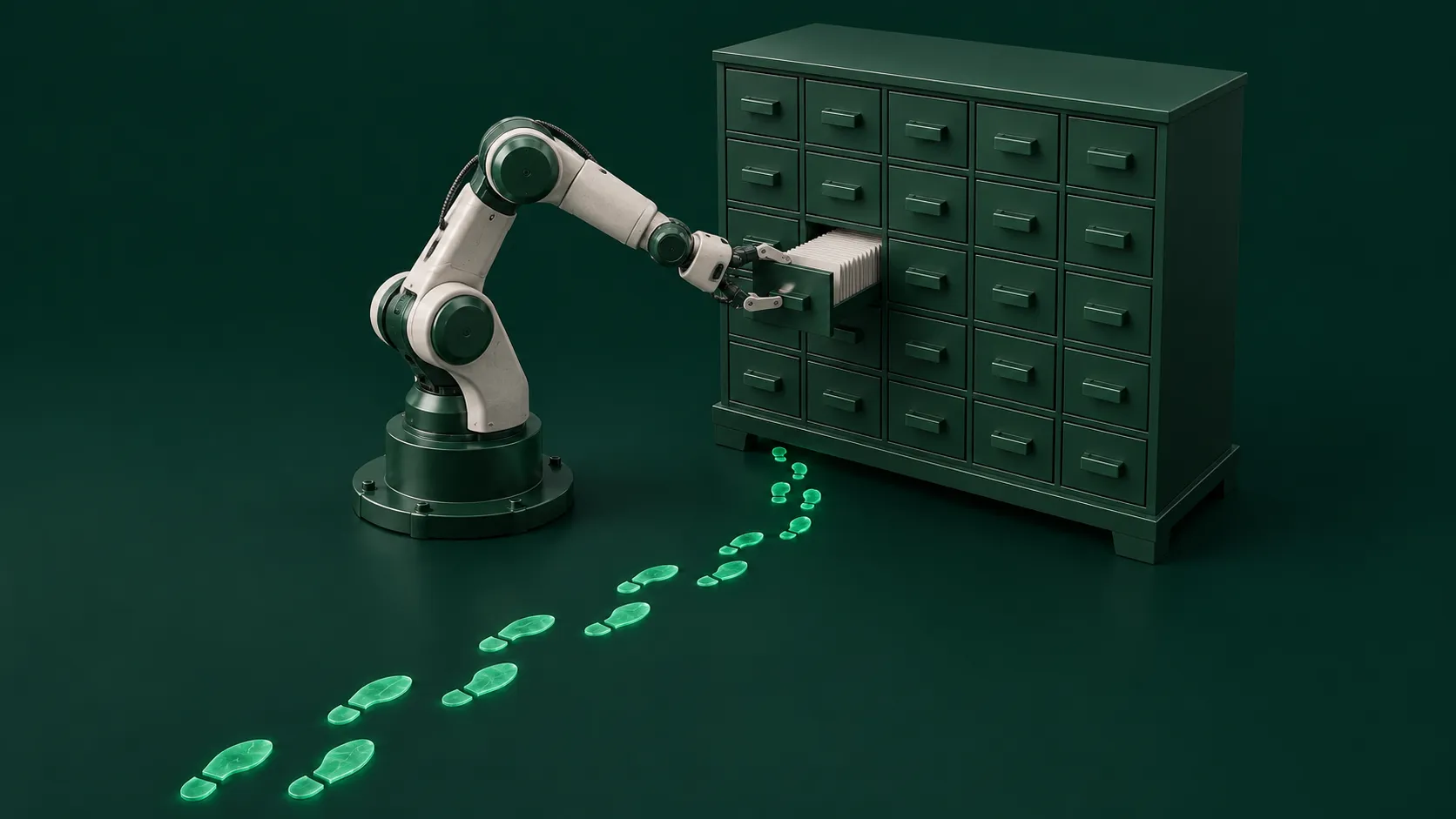
Agent Console: What to Check Before Your Company Adopts One

An Agent console is a scheduling and observation layer above coding Agents, with no model of its own. Before adopting one, a company checks four things - which Agents it supports, where session and audit records live, how the server is deployed and which remote channels are open, and whether to use stable or nightly. This note walks through each check using T3 Code.


After an Agent Model Upgrade, Workflow Results Changed. What Now?

When a company upgrades an agent's model or investigates a change in production behavior, it first checks the model, prompt, and tool definition versions recorded in the run logs. It then runs regression tests on a locked test set and compares tool call structure. The business process owner and the quality or risk team sign off together on a staged rollout.

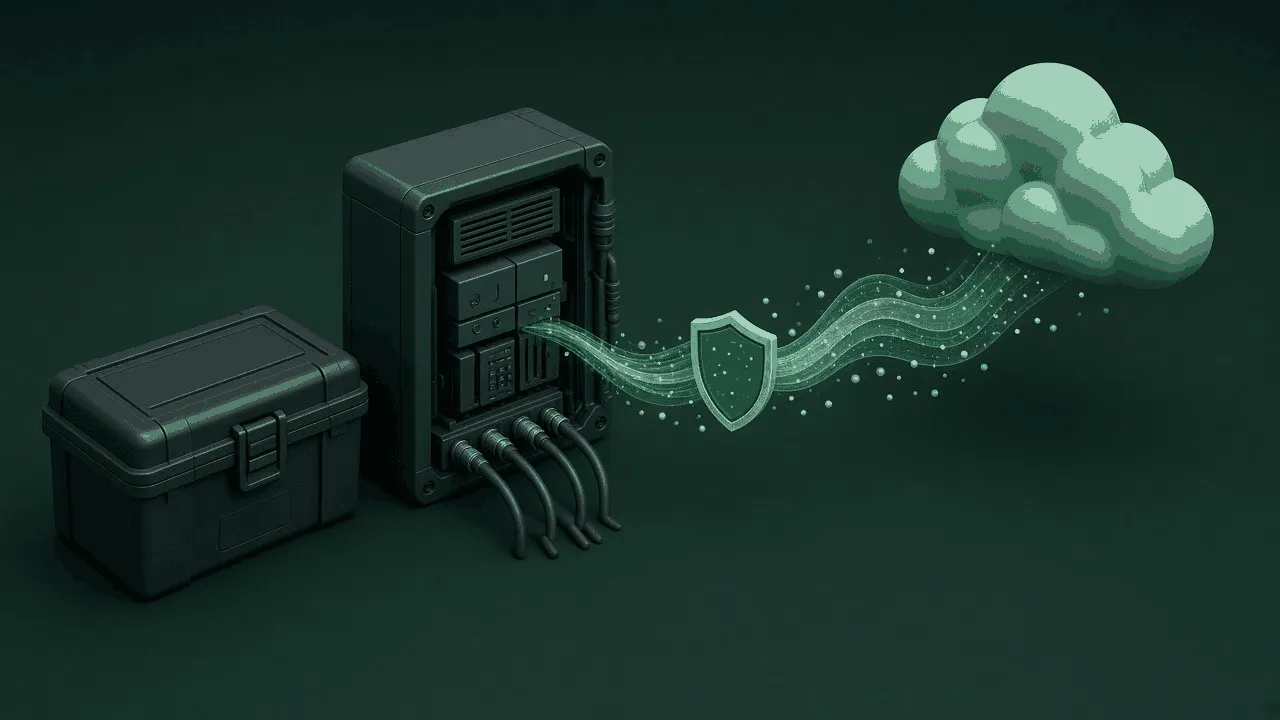
Agent Egress Control: How Wide Must the Allowlist Be for the Agent to Work?

For agent egress control, the sandbox denies all outbound traffic by default, and a domain allowlist and permitted request methods are configured per task. Separating the dependency install phase from task execution, limiting write methods on broad domains, and blocking private network ranges separately keep agents running while preventing data leaks.

An Agent Exceeds Its Authorized Scope: Downgrade It or Stop It?

When a company running automated systems finds an agent acting beyond its authorized scope, it needs tiered responses based on impact. A minor read-only overreach can be handled by revoking a single tool permission and running in a downgraded state. High-risk writes or external actions call for an immediate stop and frozen credentials, and the security lead decides on recovery after finding the root cause.

Choosing an AI Model Vendor: Who Does It Build Products For?

When choosing a model vendor, first ask who the vendor builds products for and whether enterprise business is its core business, then assess vendor stability. If a vendor sells to enterprises only as a backstop for its own compute, it may switch back to consumer business at any time or follow its leader's personal will, and a company should not tie its core operations to it.

AI Screening for Export Sample Requests: Who Gets Free Samples?

Exporters that use AI to pre-screen sample requests grade each one by company verification, how specific the inquiry is, past dealings, and target-market fit. AI suggests a free sample, a sample fee or freight collect, or a decline. The sales rep confirms the final plan, samples above a set value need manager approval, and follow-up results are logged.

AI Scores Customer Service Calls: Who Sets the Deduction Rules?

Customer service teams hand QA scoring of every call to AI. The QA lead and the business lead set the deduction rules together. The system tags each deduction with the transcript quote and timestamp under detailed rules, and agents have an appeal channel. The team runs regular human-and-AI calibration, and scores count toward performance reviews only after human review.

Claude Code or Codex: Which Tool Gets Which Task

Before a team uses AI to write code, it should know what kind of work Claude Code and Codex each suit. Local tasks where a person watches and edits go to the terminal tool. Tasks with clear acceptance checks go to Codex Cloud. Codex can review PRs. Use the two together and keep the rules in one place.

Codex Skills: How to Install Them and How to Call Them

Codex skills package a task workflow in a standard folder and run in the Codex CLI, the IDE extension, and the desktop app. You can install curated skills with the official command or write them directly into the repo or a local path. You call a skill by name with a symbol, or the model matches it from its description. Teams manage skills through repo version control and a config file.

Cold Chain Temperature Alarm: Should You Reject the Shipment?

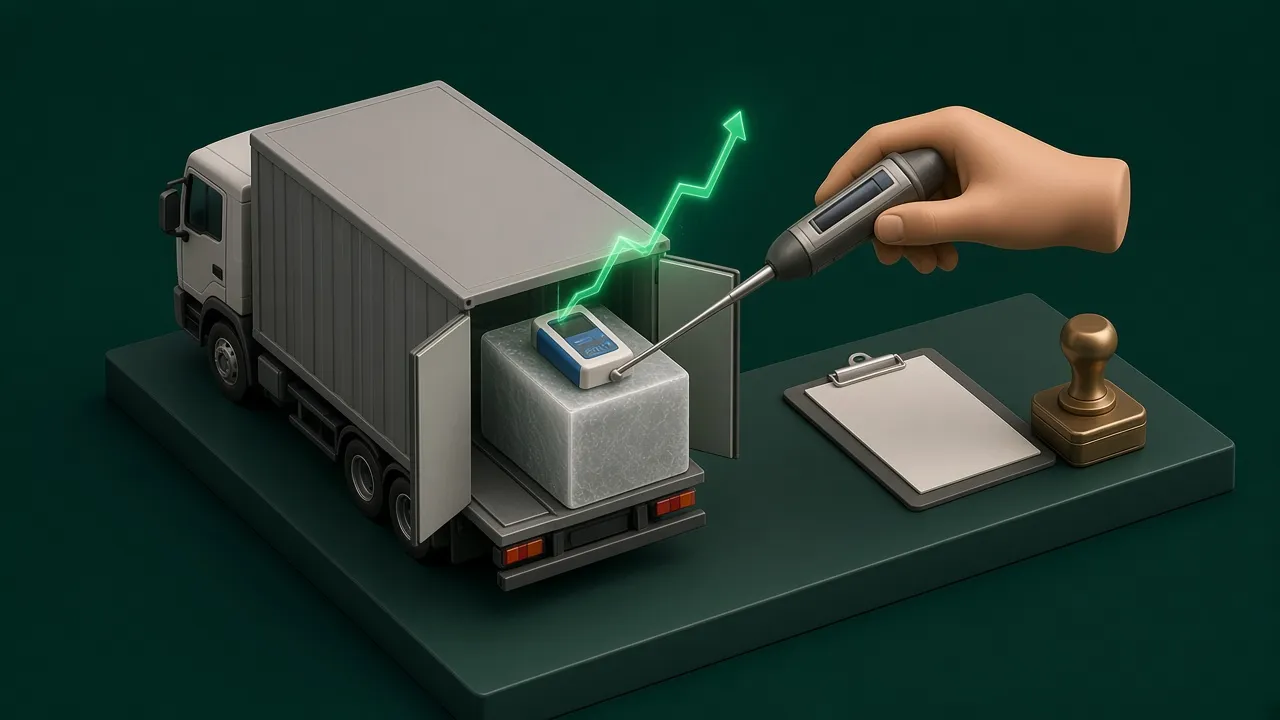
When a cold chain temperature alarm fires, logistics companies and cargo owners decide on rejection from the full temperature record, measured surface and core temperatures, packaging condition, and their receiving rules. Unclear cases go to the quality lead, who decides and keeps a record.

Collections Agents: After How Many Reminders Should Sales Take Over?

When finance teams use a collections agent to follow up on overdue receivables, it first removes invoices with incomplete internal paperwork or delivery disputes, then sends reminders by the company's aging tiers and contact limits. Key accounts, broken payment promises, requests for discounts, or a move into a higher aging tier send the account to sales and legal.

A Contract Renewal Agent Flags an Expiry: Should Auto-Renewals Be Held?

A contract renewal agent identifies the expiry date, the auto-renewal clause, and the notice period, then works back from the last day to give notice and sends alerts. Contracts with auto-renewal clauses must not roll over by default. Before the window closes, the using department and the contract owner confirm whether to renew or renegotiate the price. A written non-renewal notice is reviewed by a person before it is sent.

AI Customer Service Knowledge Base Out of Date? How to Retire Old Answers

When a company runs a knowledge base for AI customer service, it records each entry's owner, effective and expiry dates, and version status. It spots stale knowledge through signals such as handoffs to human agents, repeated follow-up questions, and frontline rewrites. After production retrieval and derived caches are cut off, the entry owner decides whether to retire or replace the entry.

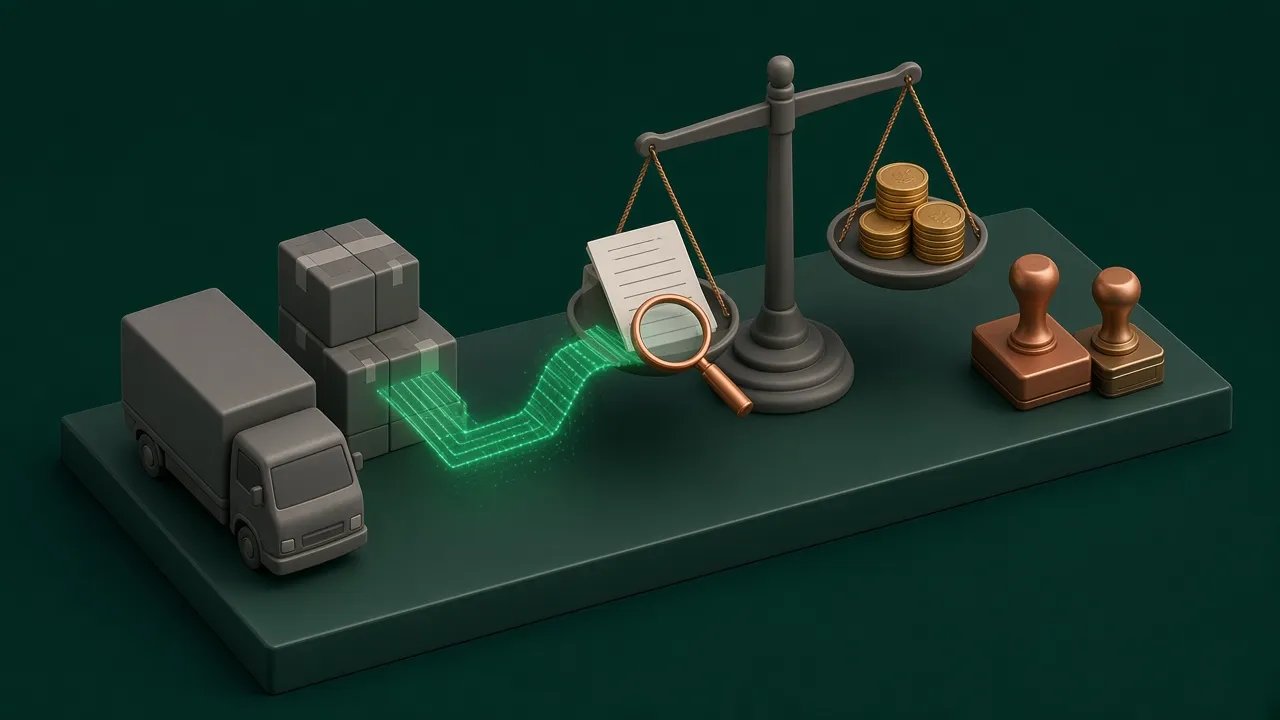
AI Pre-Fills the Customs Declaration. Who Is Liable for a Wrong HS Code?

When trading and customs brokerage companies use AI to pre-fill customs declarations and suggest HS code classifications, legal liability for the declaration before customs still sits with the consignee or consignor and the customs broker they engage. Internally, companies confirm fields by tier and keep the candidate codes, classification basis, and override records.

A Delivery Promise Agent Gave the Date. Who Answers When the Order Is Late?

In manufacturing and trading companies, a delivery promise agent calculates available-to-promise quantity from live inventory, inbound purchases, and production capacity, and suggests a delivery date. A formal promise goes out only after sales or a planner confirms it. When an order is late, the system snapshot shows whether the cause was bad data, a later plan change, or a person who did not follow the suggestion, and the customer is told early about an adjusted plan.

Employees Build Their Own AI Tools. Should the Company Still Buy Software?

After a team builds AI tools that solve specific workflow problems, the company still needs to decide what software to buy. Small tools used only for one internal step are fine to build. Systems that involve many parties, daily customer support, or security protection should still be bought. Management inventories what exists first, draws the line, and stops once a tool works.

An Onboarding Agent Creates Accounts: How Should Access Follow the Role?

When a company uses an onboarding agent to create email, office software, and business system accounts for new hires, role templates approved by each department with IT and security control the scope. The agent stops at once when information does not match. Anything outside the template, and sensitive access involving money or data, goes to human approval.

AI Compares BOM Changes: Who Approves the Engineering Change Notice?

Manufacturers hand BOM change comparison to AI, and engineers still check the comparison and the impact list. R&D, process engineering, quality, purchasing, and production co-sign the engineering change notice and set the material cutover point and the disposition plan. AI finds the differences. A person confirms the write to the released version.

AI for Equipment OEE Analysis: Who Decides the Downtime Cause?

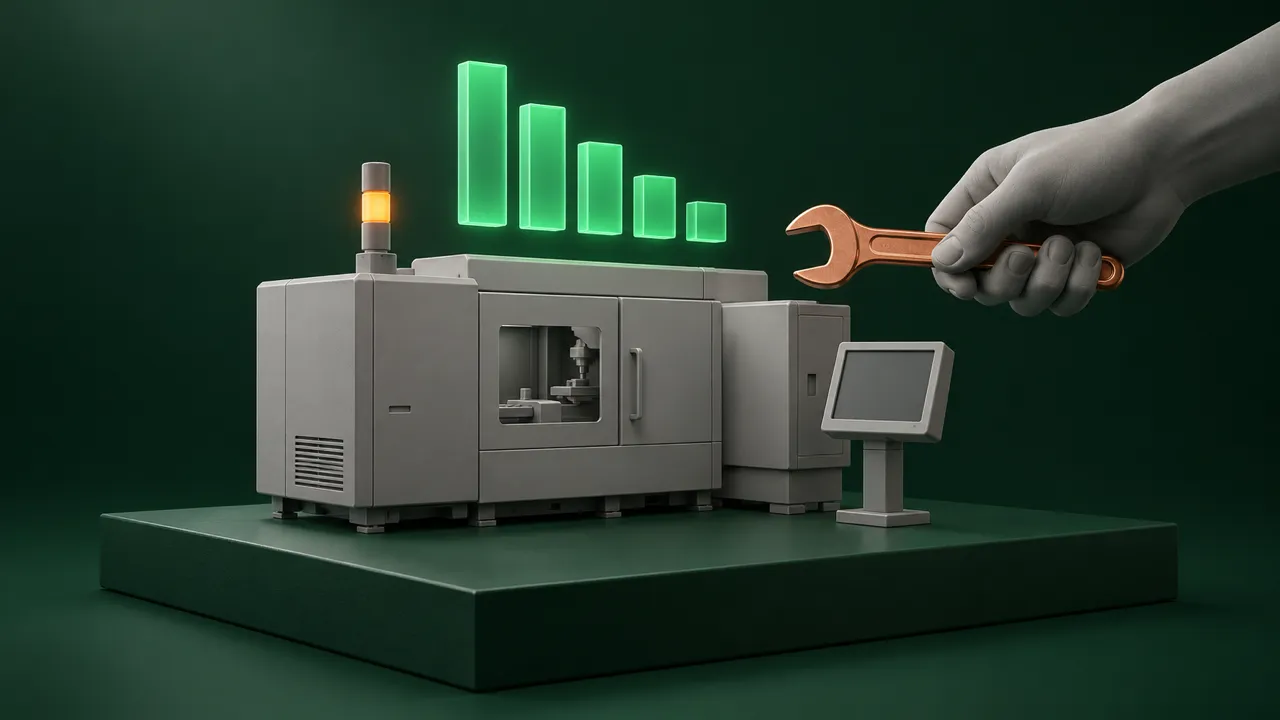
In equipment OEE analysis, manufacturers capture each downtime event from controller signals and tiered reason codes. AI suggests the most likely cause from fault codes and context. Operators on the floor confirm it, area supervisors maintain the reason code list, and production engineers verify the attribution hypotheses.

An AI Agent Edits ERP Master Data: How Do You Trace a Bad Change?

When companies let an agent edit ERP master data, they need strict tracing and controls. The agent logs in with its own account and records the old and new values, the requester, and the source document for every change. High-risk key fields need human approval first, and when a change goes wrong, the audit trail lets the team trace and roll it back quickly.

When an Expense Claim Agent Rejects a Claim, Who Hears the Appeal?

When an expense claim agent reviews receipts and line items and rejects a claim, it must cite the specific expense review rule it hit. The company also needs a human second-review appeal channel with a named handler, a response time limit, and a loop that corrects the rules. Every rejection and reversal is logged.

AI-Generated Export Quotes: Which Date Sets the FX Rate and Freight?

When an export company uses AI to generate quotations, the base exchange rate date and source, the validity of the base ocean or air freight rate, and the quote validity period are all written into the document by preset rules. The sales rep and finance check them before sending. Longer validity or discounts beyond authority go to a supervisor for approval.

Factory Energy Optimization: Will Production Shift Off-Peak?

In factory energy optimization, AI can combine real-time production load with time-of-use electricity prices to suggest off-peak operation. Order delivery dates, yield, equipment condition, and shift staffing belong to production and process engineering, so a load-shifting plan must state its equipment and order impact and be confirmed by production planning, the shop floor, and process engineering before it runs.

A Resident Agent Watches the Line: What Can It Do on Its Own?

A resident factory agent connects to manufacturing systems to help run the plant, and its autonomous actions need safety tiers. It can fill in missing data and dispatch inspection work orders on its own. Process parameter changes and schedule changes need human confirmation. Emergency stops and safety interlocks stay physically isolated from it, so production stays stable and under control.

Field Service AI Wants to Upload Customer Device Data. Is That OK?

When equipment makers use field service AI to collect run logs and fault photos, they need a clear boundary for data collection. Collection on site follows the service agreement and reads only the sensor and alarm data needed for diagnosis. It strips the customer's recipes and process parameters. Engineers work through compliant, authorized accounts, and backups are cleared on a schedule.

How to Install Grok Bot on Desktop and Mobile

Before installing Grok Bot, confirm your plan includes access and your account is not on Privacy Mode (Legacy). On desktop, download the installer for your system and chip architecture and sign in with a Cursor account. On mobile, install from the official app store. Both use the same Bots and the same cloud computer.

Grok Bot Pricing: Which Plans Include the Bot?

To assess Grok Bot pricing, first check which plans include Bot access. On The X Subscription, the Premium, Super, and Ultra tiers include Grok Bot, and usage is shared weekly between Grok and Cursor. Past the allowance you can top up with prepaid credits and set a monthly spending cap.

Grok Bot Routine Not Firing? How to Troubleshoot It

When a Routine does not fire, check in a fixed order. First see whether its switch is paused, then confirm the time zone and next run time, and check the external event matching rules and the webhook status code. If it still has not run, check plugin authorization and rate limits.

Grok Bot vs Grok: Which One Gets Your Repeat Work?

The difference between Grok Bot and Grok comes down to whether a task has to keep running in a real environment. Grok is a chat app for instant answers and content generation. Grok Bot has an always-on cloud computer for multi-step automation and scheduled repeat work. Sign-in and usage metering are separate for the two.

An Employee Q&A Agent Got the Leave Policy Wrong. Who Is Responsible?

Companies deploy employee Q&A agents to answer attendance and leave policy questions, and the algorithm explains general rules quickly with the clause cited. When a wrong answer leads an employee to take leave by mistake, the company needs a verification and remedy process, a clear line for handing personal balance questions to a person, and regular spot checks and policy updates to head off disputes.

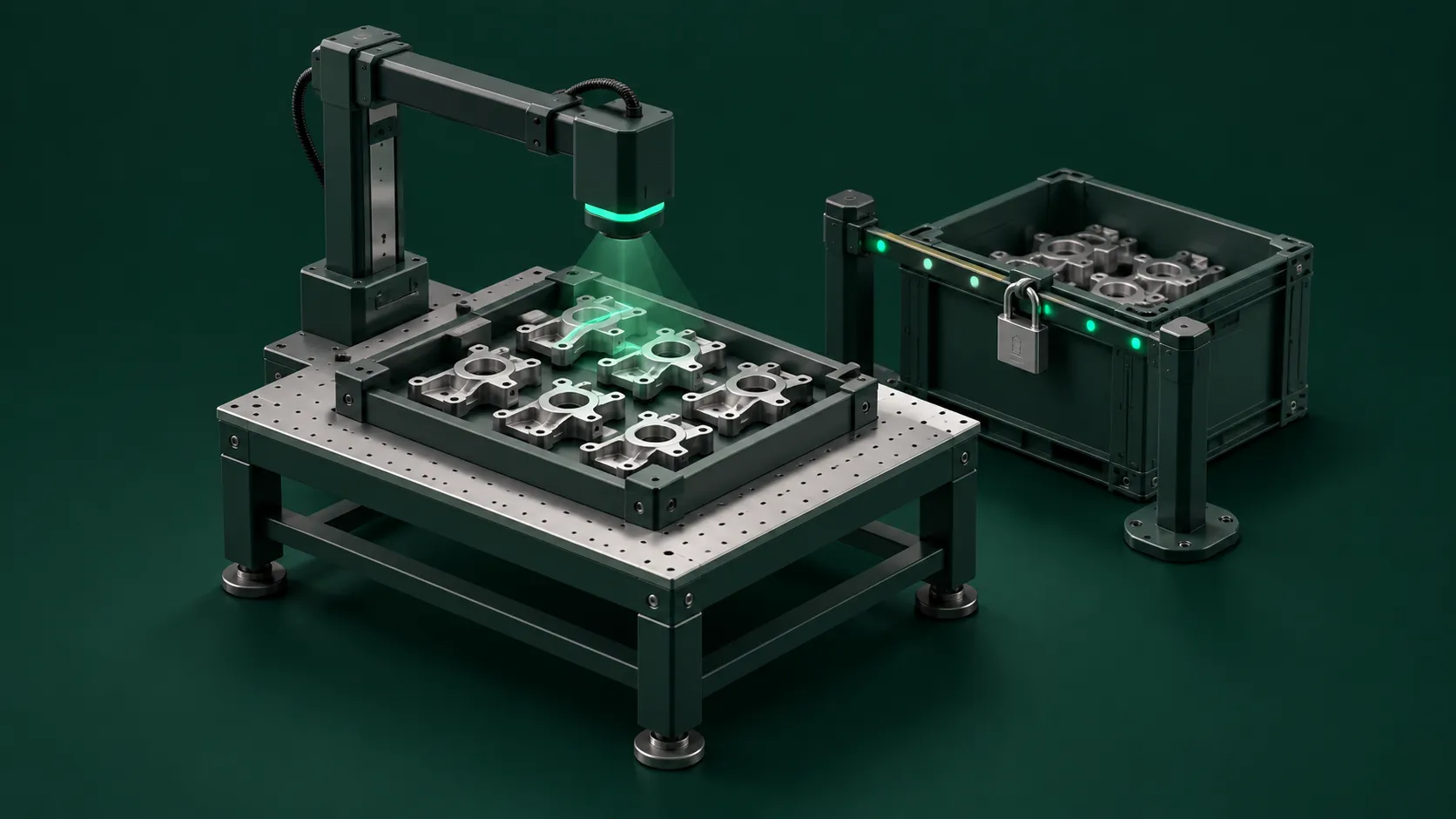
AI Grades Incoming Material Batches. Who Signs a Concession?

Plants bring in AI incoming inspection to detect dimensional and visual defects in materials, and the algorithm quickly sorts batches into accepted and rejected. When an urgent production need calls for a concession release of a rejected batch, the algorithm supplies only measured evidence. Quality, production, purchasing, and the customer sign, which settles accountability and the trace record.


An Invoicing Agent Issued a Wrong Invoice. Who Approves the Red-Letter Reversal?

Companies use invoicing agents to issue fully digitized e-invoices in China, with the algorithm matching sales orders, the contract ledger, and tax details. When an invoice is wrong and needs a red-letter reversal, the algorithm only summarizes the differences and drafts the request. Finance staff approve and submit it within their authority and pass real-person identity verification, which prevents unauthorized actions that create tax risk.

A Helpdesk Agent Resets Passwords: How Do You Verify Who Is Asking?

When a company lets a helpdesk agent reset passwords and unbind accounts for employees, it has to verify the person before acting. The program cannot rely on verbal details a coworker could find out. It checks registered devices, the office network, and manager confirmation. Low-risk actions run automatically by rule, high-risk device rebinding goes to human review, and every step is logged.

Cases From a Legal Research AI: How to Verify Them Before You Cite

When lawyers and in-house counsel use legal research AI to find similar cases and precedents, they cannot paste the model's summaries or case numbers straight into a complaint, a defense brief, or a legal opinion. Every case they plan to cite must be checked against the original text and its later appeal history on an official public platform or a licensed database.

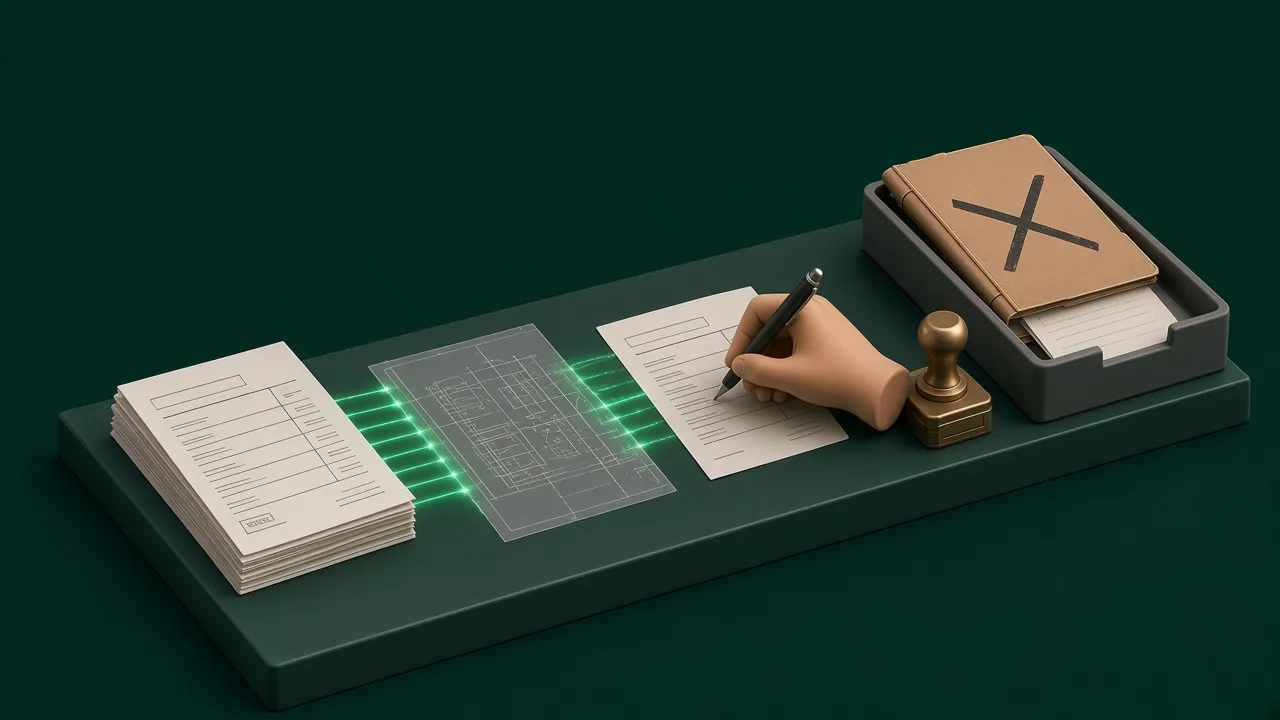
AI Checks Letter of Credit Documents: How Do You Catch Every Discrepancy?

Trading companies hand the first review of letter of credit documents to AI. The system breaks the credit into an itemized checklist, compares the invoice, bill of lading, and packing list against it and against each other, and marks every difference. Documentation clerks use these leads to decide whether to amend or present, and the team replays past rejections on a schedule to find what the system missed.

AI Trains New Line Operators: Do They Still Need a Mentor?

Plants hand part of new line-operator training to an AI system, and the mentor's role stays. The system answers questions about work procedures at any time and tracks weak spots. Mentors focus on correcting motions on the floor, passing on hands-on feel, and enforcing safety. Together they form a workable training split.

Local Agent Sandboxes: Which Directories Can It Read and Write?

Developers who run coding agents locally rely on a local agent sandbox to limit file system access. Write access defaults to the project directory and temp paths. Read access is broader, so credential files need a separate block. Outbound requests pass through a domain allowlist. Before rollout, verify the isolation by running a command the sandbox should block.

Cargo Damage Claims AI Reviews the Photos. Who Decides the Payout?

When logistics companies and shippers use cargo damage claims AI on damaged deliveries, the AI identifies damage and checks contract rules against five standard types of claim evidence. Claims specialists or claims supervisors decide the payout by company-set amount thresholds and exception cases. No amount is promised to the customer before a person confirms it.

Android Apps on a Mac: 6 Checks Before Installing at Work

You can run Android apps on a Mac with Mac.apk. It needs macOS 26.4 or later and Apple Silicon, and it has no sandbox. Before approving it, check 6 items: signing and notarization, entitlements, shared folders, rebuild from source, network calls and reporting, and uninstall and rollback. This note also gives our reasons for not installing it and the conditions for a trial.

LM Studio or Ollama: Which to Use on a Mac

LM Studio and Ollama suit different jobs on a Mac. If a person sits at the screen testing models and quantization levels, install LM Studio first for its graphical interface. If terminal scripts and coding agents need an always-on local API, install Ollama first. The two use different ports and can run together on the same computer.

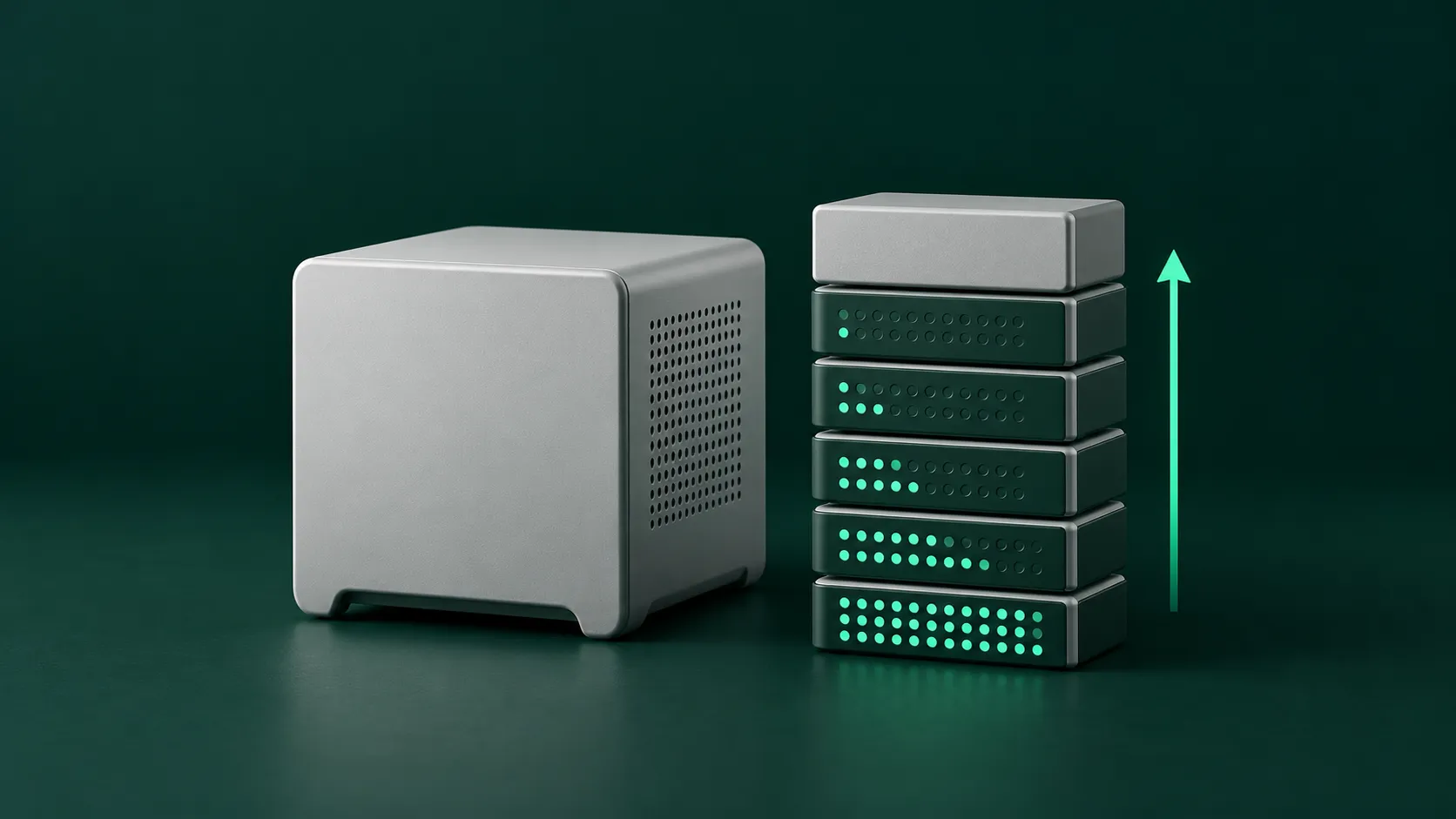
How Much Mac mini Memory Do You Need to Run Local LLMs?

The memory you choose when buying a Mac mini for local LLMs sets the largest model the machine can hold. Work back from model size. In 4-bit quantization, 16 GB suits models up to about 14B parameters, 32 GB up to about 30B, and 64 GB up to about 70B. Factor in memory bandwidth and multitasking overhead when you buy.

AI Translates Your Product Catalog: Who Owns a Wrong Spec?

Exporters use AI translation to build multilingual product catalogs, and the main risk is mistranslated technical specs. Before translation, lock a do-not-translate list and spec formats. During translation, run automatic number comparison. A product engineer signs off on the spec tables, and every version stays traceable.

AI Quoting for Custom Parts: Which Step Needs a Process Engineer's Sign-off?

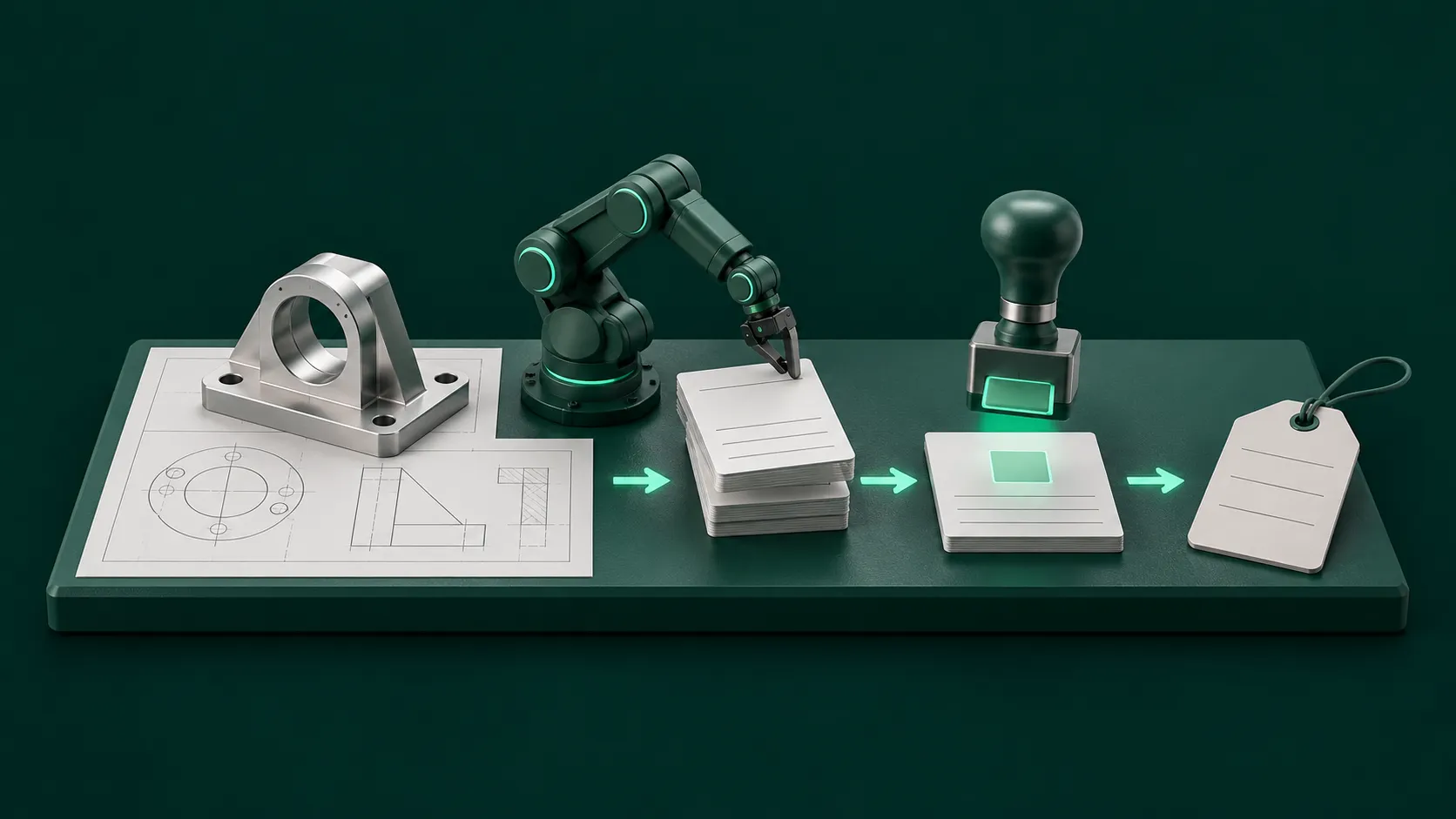
Machining and equipment makers can use AI to quote non-standard parts. AI reads material, tolerances, and surface treatment from engineering drawings, matches a process route, and estimates hours and cost. Before the quote goes out, a process engineer must check and sign the route and process card, a lead co-signs large or new-process orders, and sales checks delivery and commercial terms.

Agent Sandbox Selection: OpenSandbox or sandbox-runtime?

To choose an Agent sandbox, first decide what you are isolating. To limit a coding Agent's reads, writes, and network access on your own machine, use a process-level tool such as sandbox-runtime. To run untrusted code, run batch evals, or serve many users, use a full runtime with separate containers or virtual machines, such as OpenSandbox.

AI Due Diligence on Overseas Buyers: How Far Can You Trust It?

Export teams use buyer due diligence tools to screen prospects. The algorithm pulls together company websites, registration records, and trade history fast. Because it confuses companies with the same name and cites stale data, sales staff verify each source, large deals go to official channels for review, and a manager sets the payment terms.

Personal Data Agents: How Far Can Customer Data Go?

When a company uses an agent that handles personal data for customer service, it needs clear data access boundaries at each step. The system takes less and reads only required fields. It masks input dynamically, filters fields before external tool calls, and clears and destroys conversation logs on a schedule. A human channel handles customer deletion requests.

Too Many Predictive Maintenance Alerts: Which Ones Mean Stop the Machine?

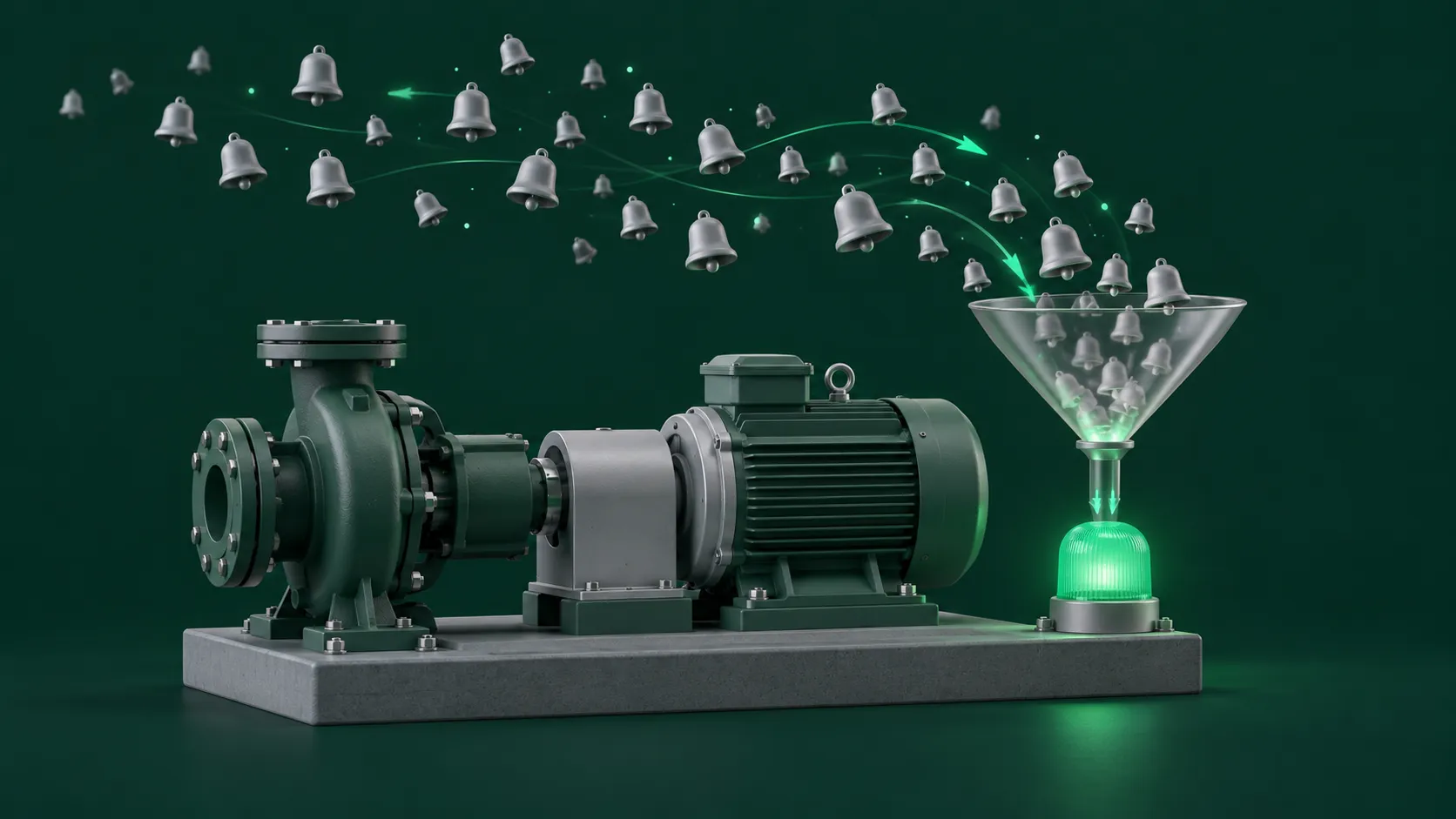
After a plant deploys predictive maintenance, the monitoring system often floods the floor with alerts, from many sensors firing on the same fault or from thresholds set too tight. Floor staff cannot answer each one. First merge alerts from the same source, then have equipment, production, maintenance, and safety set grading rules together. People decide whether to stop based on conditions on the floor.

Scheduling Agents and Rush Orders: How Does the Workshop Manager Approve?

When a manufacturer's scheduling agent handles a rush order, it first freezes the current schedule baseline and recalculates the affected orders in a copy. It lists options and their costs under goals such as on-time delivery or fewer changeovers. The workshop manager, planning, sales, and purchasing co-sign the chosen option before it is released.

A Purchase Order Agent Places Orders on Its Own. How Should Amounts Be Tiered?

When a company uses a purchase order agent for routine purchasing, it splits approval authority by amount tiers it sets itself. Low-value orders under a framework agreement go through automatically, mid-tier orders need purchasing manager approval, and high-value orders go to the department head or finance for sign-off. The system also blocks order splitting meant to avoid approval and keeps a full record.

A Distributor Disputes the Rebate Agent's Numbers. What Now?

When brands and manufacturers use a channel rebate agent for distributor rebate reconciliation, they first lock the contract version, sales basis, return offsets, and payout history in one shared workpaper, then trace each disputed item to its source. Changes to amounts, payout releases, and outgoing statements all need approval from sales and finance.

Customer Service Refund Agents: Which Amounts Need Approval?

When e-commerce and retail companies launch a customer service refund agent, refund limits are controlled by amount tiers the company sets itself. Small requests that fit the order status and reason rules can go through directly. Requests over the limit, repeated requests, and compensation go to a store manager or finance for approval, and the business system rechecks before execution.

A Sales Forecast Agent Changed the Quarter. Does the Director Sign Off?

When a company uses a sales forecast agent in pipeline forecasting, the agent's change to the quarterly forecast is a suggested adjustment. It does not overwrite the number sales submitted or edit the underlying opportunities. It carries the opportunity stages and the reasons a deal may slip, and a sales manager or sales director confirms and signs off.

A Sales Discount Agent Cuts Prices on Its Own. Who Sets the Floor?

A sales team brings in a discount agent to help with quotes. The sales head and finance set the price floor together. The agent calculates discounts only inside the preset range, and any quote below the floor becomes a special-price request for a person to approve. The team reviews over-limit discounts on a schedule and recalibrates the rules.

Company Seal Approval Agents: Which Steps Stay With People?

When a company uses a seal approval agent for electronic seal requests, the agent can check request fields, compare the file against the approved final version, and route approvals. Approving or rejecting, legal review of the official company seal and external commitments, signing-intent authentication, and the actual stamping stay with authorized people.

AI Inspection at Solar Plants: Who Confirms the Defect Report?

Large solar plants use drone infrared scans and vision algorithms to find anomalies, and the system quickly produces a list of suspected hot spots and damaged modules. O&M engineers verify the algorithm's screening report and route the work orders. For warranty claims, qualified specialists retest on site, so quality and contract performance can be traced.

AI Revises the Work Instruction: Who Signs Off the New SOP Version?

When manufacturers use an AI work instruction tool to help revise process documents, the AI compares drawings, process cards, the current instruction, and past nonconformance records and assembles a revision package. Authorized staff still author, review, approve, and release the SOP version under the controlled document process.

AI Sets Spare Parts Safety Stock. Who Owns a Line Stop From a Stockout?

When manufacturers use algorithms or AI to calculate spare parts safety stock, the model outputs a suggested level and its basis, and the business and maintenance teams own the final number. Criticality ratings, service levels, and stock reductions need approval from authorized owners. After a stockout stops the line, the review traces criticality, data, lead time, and approval to assign responsibility.

A Scheduling Agent Drafts the Rota: How Much Can Managers Change?

Retail chains use a store scheduling agent to produce staff rotas, and store managers keep some room to adjust them on the floor. Small same-role tweaks and shift swaps for leave can be made directly. Changes that create overtime, long runs of consecutive workdays, or broken rest intervals are blocked by the system and sent to a supervisor for approval. The change records feed a review of the rules.

Stripe Hong Kong Individual Account: Who Can Open One Without a Company?

The rule that you can open a Stripe Hong Kong individual account without a company holds only for Hong Kong residents with an HKID. A merchant with no HKID but a Business Registration Certificate registers a sole proprietorship account. A mainland China seller with neither cannot open one through the individual route, and can consider a company account or another payment method.

Supply Chain Agents Propose Stock Transfers. How Do Planners Approve?

When a company transfers stock between warehouses and stores to cover shortages, a supply chain agent reads each location's inventory and sales velocity and generates options. Write actions such as creating a transfer order stop at an approval screen. Planners, regional managers, or warehouse and distribution leads approve by amount limits and lines of responsibility.

A Dispatch Agent Switches Carriers: Do You Need to Tell the Customer?

When the planned fleet rejects a load, runs short of trucks, or is expected to arrive late, a transport dispatch agent at a logistics company or shipper can match a backup fleet and build a replacement plan. Whether to notify the customer in advance or get written consent depends on the contract terms, the type of goods, and the freight cost difference rules.

Travel Booking Agents: Who Stops Over-Policy Hotel Bookings?

When a travel booking agent books hotels for employees, it first matches the travel policy by subsidiary, department, job grade, and destination city. Over-policy bookings are blocked or sent to the direct manager for approval by preset rules. The employee confirms the reason for the overage and any personally paid amount.

AI Vendor Numbers Are Self-Reported. How Do You Check Them?

When companies evaluate AI vendors for procurement, they should not take throughput multiples or delivery timelines in marketing material at face value. Self-reported metrics often lack a common baseline and hardware spec. Procurement and technical teams should ask for the test load and the hardware and software setup, run a small test with the company's real use cases, and write the metric definitions into the contract.

AI Plans Picking Waves: Which Numbers Should Supervisors Watch?

When a warehouse uses picking AI to batch orders and assign pick paths, floor management cannot rely on the algorithm's theoretical score. Supervisors should focus on actual results they can check on the spot: orders not shipped before cutoff, picker waiting and walking, stockout rework, and backlog at packing stations. Then they step in to find the bottleneck.

When an AI Agent Drafts Your Bid, Who Guards Against Disqualification?

Companies use bid agents to help prepare tender responses. One mistake on a mandatory clause disqualifies the bid. The agent lists disqualification risks and drafts responses. Commercial and technical staff check each item against the tender documents. People approve the price, the original credentials, and the signed submission.

AI Flags an SPC Anomaly: Who Decides Whether to Stop the Line?

Plants hand process data to AI for SPC anomaly detection. When parameters drift, the stop-the-line decision needs a clear split between system and people. The system reads data continuously and suggests causes. Shift leads and quality engineers respond by preset tiers, and people own the stop decision and the restart check.